 Serving Central & Northern Virginia


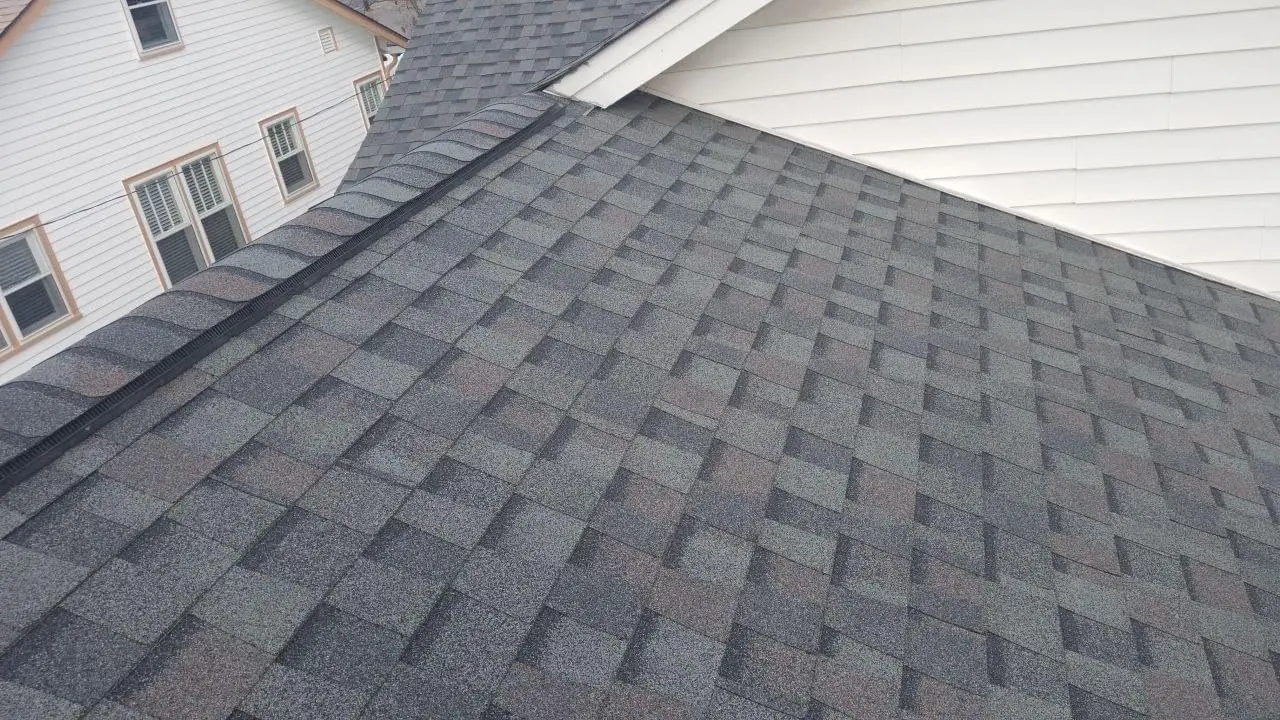
Roofing will ensure that your house is not affected by the bad weather, water, and temperature variations. Even good roofs are likely to develop problems over time. The problems that tend to happen to the homeowners are related to old components, poor installation, or poor weather. Knowing how asphalt shingle roofs work and where they fail helps owners spot problems early and save money. Most roof issues can be prevented by performing regular inspections and making fast repairs that will prevent roof issues before they harm the house, endanger safety, or lower the value of the house.
The professional roofing contractors maintain the good operation of roofs and extend their lifespan. Weather Tight Exteriors LLC is engaged in identifying the roof issues, repairing them, and providing them with long-term solutions that may suit the local climate. They have experience with roofs in houses, hence know how to evaluate and are dependable. Hiring experienced professionals enables the owners to address issues quickly and secure the warranties, and maintain the roof.
Why Asphalt Shingle Roofs Develop Problems
The primary contributor to the worsening roofs is the weather. A roof is worn off by the sun, changes in temperature, heavy rain, and strong winds. With the course of time, these things may loosen the nails, break the material, and destroy the protective layers.
The problem is aggravated by bad attic airflow and poor drainage, particularly when water is trapped under the roof. Knowing why asphalt shingle roofs get damaged lets owners act before the damage gets worse.
Curling and Buckling Shingles
When they become old or excessively hot and moist, they can curl or buckle. The most common cause is bad ventilation since the heat that is trapped changes the material and causes it to be warped on the bottom. The shingles may also be installed improperly, and this may result in the shingles swelling up and contracting in different places.
Solving ventilation issues and fitting broken components for too long a time enhances the performance of the roof. Catching early signs of curling prevents water infiltration and extends the life of Asphalt Shingle roofing systems.
Cracked or Missing Shingles
The cracks and broken shingles are typically storm damage, debris damage, or age damage. Shingles can be picked up by strong winds and shattered by hail. Even a tiny hole will allow the water to creep under the roof. Fast replacement of damaged areas eliminates the chances of leaks and water-damaged spaces inside. Routine inspections after storms are especially important for maintaining Asphalt Shingle roofs in unpredictable climates.
Granule Loss and Surface Wear
Granules protect the shingles against the weather and the UV rays. They may wear out with time through old age or weather. You may find particles in gutters or downpipes.
A small loss is expected, but excessive loss diminishes protection. Applying protective coatings or replacing affected areas can help preserve roof performance and slow deterioration in Asphalt Shingle installations.
Roof Leaks and Moisture Intrusion
The issue of leaks is one of the largest problems of homeowners in regards to their roofs. They usually appear around flashing, vents, chimneys, or damaged areas. Any water entering the container may result in molding, damage to insulation, and weakening of the frame unless repaired. Professional checks and quick repairs ensure that the house is not exposed to water. A tight seal is key to keeping asphalt shingle roofs safe.
Preventive Maintenance and Inspection Tips
The most cost-effective method of preventing significant repairs on the roof is maintenance. Small issues are detected at an early stage using seasonal inspections, the cleaning of gutters, the clearance of debris, and ventilation inspections.
A professional inspection every few years is an added safety measure. Consistent upkeep reduces unexpected expenses and keeps Asphalt Shingle roofs performing efficiently for years.
When Professional Repair Is the Best Option
You can self-diagnose some minor issues, but typically a professional will be required to perform the majority of the work. Roofing contractors are aware of the conduct of materials, safety regulations, and brand regulations.
By hiring professionals, repairs are made sure that they are done in the right way, safely, and to the building codes. Professional help keeps long‑term performance good and stops problems from coming back on asphalt shingle roofs.
How Weather and Climate Impact Roof Performance
The local weather highly affects how asphalt shingle roofs age and work. Houses in warm sun may deteriorate more rapidly, and houses in gale-force winds and water are more vulnerable to destruction. The freeze-thaw cycles cause vibration on the roof components, loosening seals with time.
Understanding how the weather in the region alters the roof enables owners to make maintenance plans and select the appropriate materials, as well as correct the issues before they turn into an expensive inconvenience.
Frequently Asked Questions
1. How long do asphalt shingle roofs typically last?
Most roofs last 20–30 years with proper installation and regular maintenance.
2. Can damaged shingles be repaired instead of replaced?
Minor damage can often be repaired, but widespread issues usually require replacement.
3. How often should roofs be inspected?
At least once a year and after major storms.
4. What causes granule loss?
Age, UV exposure, heavy rain, and physical impact commonly cause granule shedding.
5. Are roof repairs covered by insurance?
Coverage depends on the policy and cause of damage. Storm-related issues are often covered.