 Serving Central & Northern Virginia


Roof Leaking But Shingles Look Good? 5 Hidden Causes
Discovering a water stain on your ceiling is stressful, but it is even more frustrating when you look outside and your shingles look completely flawless. It leaves you wondering: how is water getting inside?
The truth is, a roof can leak even if every single shingle is intact. Water frequently enters through hidden vulnerabilities like cracked pipe boots, rusted metal flashing, clogged gutters, or backed-out nails. Because water travels downward along rafters and insulation before dripping onto your drywall, the actual entry point on your roof is rarely directly above the leak inside.
1. Cracked or Rusted Roof Flashing
Your kitchen and bathroom vent pipes poke directly through your roof. To keep water out, these pipes are wrapped in a plastic or rubber collar called a vent boot. While asphalt shingles can easily last 20 to 30 years, these rubber seals dry out, crack, and split from intense UV rays in as little as 10 years, creating a direct pathway for rain.
3. Clogged Gutters and Ice Dams
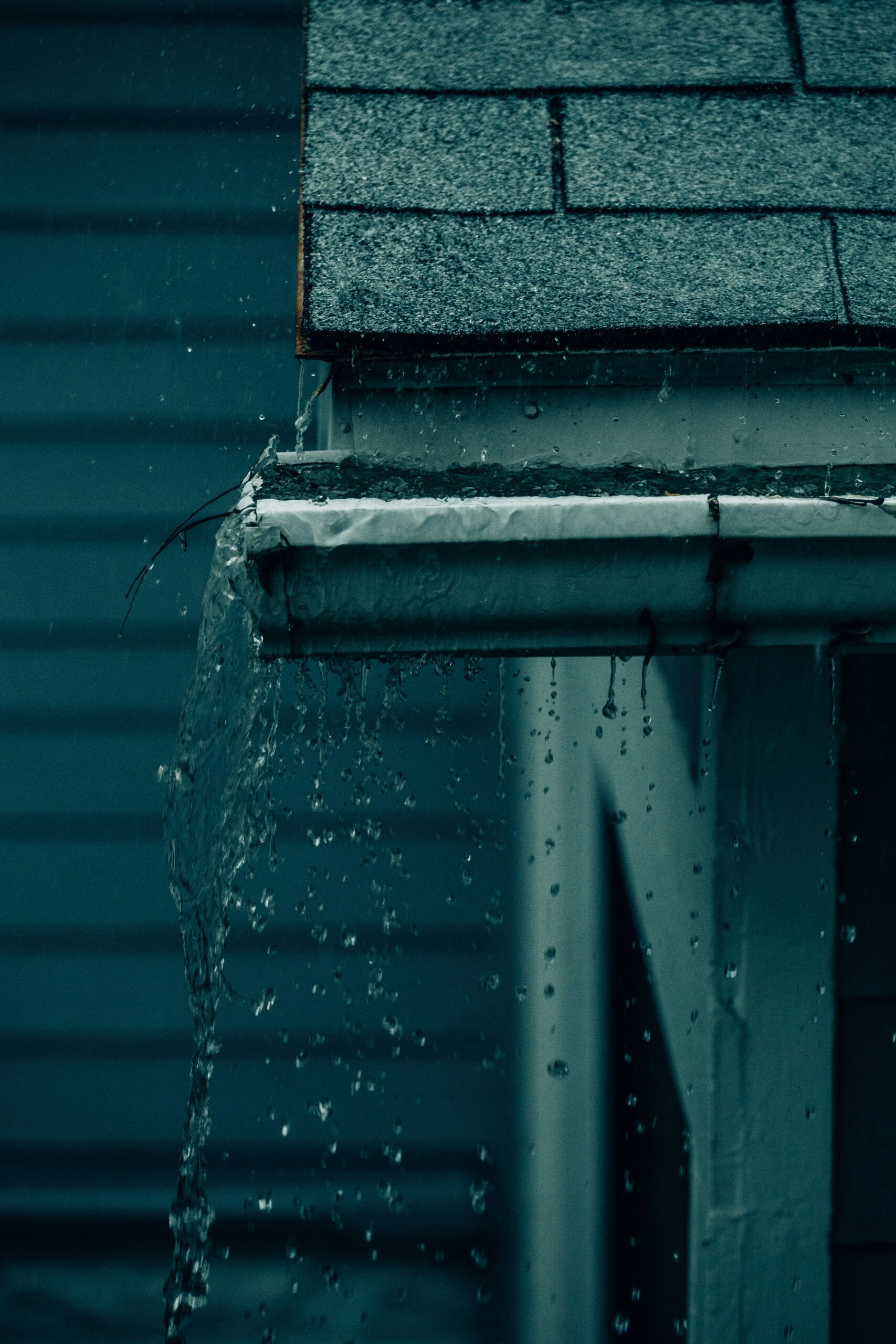
When your eavestroughs fill up with leaves and debris, heavy rainwater has nowhere to go. The water backs up up the roof slope, spilling over the edges and flowing backward underneath your lowest rows of shingles. In the winter, frozen water creates ice dams that trap melting snow, forcing water under the shingles.
4. Structural Nail Pops
During installation, roofers secure shingles using heavy-duty nails. If a nail misses the underlying rafter or backs out due to the natural expansion and contraction of your roof’s wooden deck, it pushes upward. This creates a “nail pop” that punctures the underside of the shingle flap, creating a tiny hole where water can pool and leak through.
5. Compromised Underlayment
Beneath your visible shingles lies a secondary waterproof barrier called underlayment (usually felt or synthetic fabric). Severe weather like hail or high winds can bruise or tear this underlayment without visibly damaging the shingles on top. If water gets past a shingle seam, a compromised underlayment will let it leak straight into your home.
Frequently Asked Questions
Can a roof leak without missing shingles?
Yes. Leaks often bypass shingles entirely by entering through degraded rubber seals around vents, gaps in chimney flashing, or unsealed valleys where two roof planes meet.
How do you find a roof leak that won’t show on the outside?
Go into your attic during a heavy rainstorm with a flashlight. Trace the water stains on the plywood or rafters upward to their highest point, as this marks the true outdoor entry location.
Can heavy rain cause a roof to leak just once?
While strong winds can push rain sideways under shingles during a unique storm, a single leak usually indicates an early vulnerability that will worsen during the next downpour.
Is a small roof leak an emergency?
Yes. Even a tiny, slow drip can quietly rot structural wood, ruin attic insulation, and breed dangerous mold inside your walls long before it destroys your ceiling drywall.
Don’t Let a Hidden Roof Leak Ruin Your Home
Tracing a mystery roof leak on your own can be dangerous, frustrating, and time-consuming. Catching a small leak today prevents expensive structural wood rot and mold remediation tomorrow.
Let our team of licensed professionals find and fix the problem safely. Contact us today at (804) 664-6631 or click here to schedule your free roof inspection to protect your home before the next big storm hits