 Serving Central & Northern Virginia


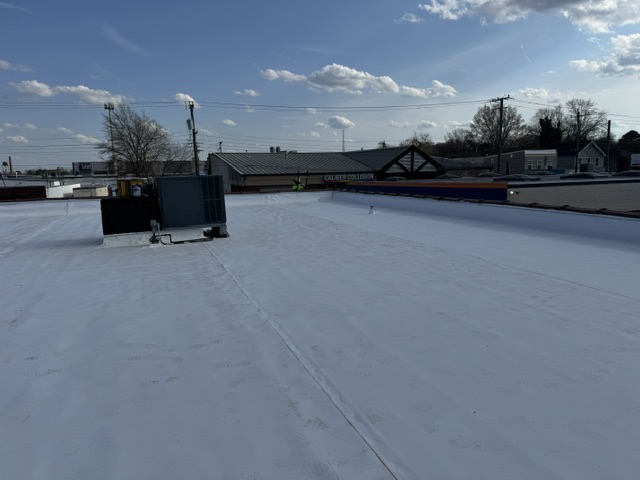
TPO roofing has become a popular choice for commercial buildings with flat or low-slope roofs because it provides a durable, energy-efficient roofing system with relatively straightforward maintenance. But choosing the right commercial roofing system involves more than simply selecting a material. Roof design, drainage, existing conditions, insulation and how the building is used can all affect whether TPO is the right choice for a particular property.
For Virginia commercial property owners, understanding how TPO roofing works, where it performs well and what to expect from installation or replacement can make it easier to evaluate the options for a commercial roof.
What Is TPO Roofing?
TPO stands for thermoplastic polyolefin, a single-ply roofing membrane commonly used on commercial and low-slope roofs. The membrane is installed in sheets, and the seams are heat-welded together to create a continuous roofing surface.
A TPO roofing system includes more than the membrane itself. Depending on the building and roof assembly, the system may include insulation, cover board, flashing and other components designed to work together. Proper installation is especially important around seams, penetrations, rooftop equipment and drainage areas where roofing problems are more likely to develop.
TPO is typically available in white and other light colors that reflect sunlight rather than absorbing as much heat as darker roofing materials. This is one reason TPO has become a common choice for warehouses, offices, retail buildings and other commercial properties with large low-slope roof areas.
What Are the Benefits of TPO Roofing?
TPO roofing offers several characteristics that make it well suited for many commercial and low-slope buildings. The membrane is designed to resist UV exposure, weathering and normal rooftop conditions while providing a watertight surface when properly installed.
One of the most recognizable features of TPO is its reflective surface. White TPO can help reduce the amount of solar heat absorbed through the roof, which may help reduce cooling demands during Virginia’s warmer months.
TPO also uses heat-welded seams rather than relying solely on adhesives at membrane joints. When properly welded, these seams become an important part of the roof’s resistance to water intrusion.
Another advantage is flexibility. TPO roofing systems can be designed around roof penetrations, HVAC equipment, drains and other features commonly found on commercial buildings. Different insulation and attachment options also allow the roofing system to be designed for the needs of the particular building.
Is TPO Roofing Right for Every Commercial Building?
TPO can be an excellent roofing option, but it is not automatically the right system for every commercial building. The condition of the existing roof, roof slope, drainage, insulation, rooftop equipment and how the building is used should all be considered before choosing a replacement system.
For example, a roof with persistent ponding water may have drainage or slope issues that should be addressed rather than simply installing a new membrane over the existing conditions. Buildings with frequent rooftop traffic or numerous mechanical systems may also require additional protection in certain areas.
A commercial roof should be evaluated as a complete system. The goal is not simply to choose TPO because it is a popular material, but to determine whether the roofing system is appropriate for the building and how it should be installed to perform properly.
Are All TPO Roofing Systems the Same?
Not all TPO roofing systems are the same. TPO membranes are available from different manufacturers and in different thicknesses, and the design of the complete roofing system can vary depending on the building and the requirements of the project.
Common TPO membrane thicknesses include 45, 60 and 80 mil, although availability and specifications vary by manufacturer. A thicker membrane can provide additional durability, but membrane thickness alone does not determine the quality or expected performance of a commercial roof.
The insulation, cover board, attachment method, flashing details, seam welding and installation around penetrations and rooftop equipment all play a role in how the finished roof performs. Manufacturer requirements and available warranty coverage can also influence how a TPO roofing system is designed and installed.
This is why comparing commercial roofing proposals based only on price or the word “TPO” can be misleading. Two proposals may both specify TPO roofing while including very different materials, components and installation details.
How Is TPO Roofing Installed?
TPO roofing can be installed using different attachment methods depending on the building, roof deck and specifications of the roofing system. Two common methods are mechanically attached and fully adhered systems.
With a mechanically attached system, the membrane is secured to the roof assembly with approved fasteners and plates, and adjoining sheets are heat-welded together at the seams. With a fully adhered system, the membrane is bonded to the underlying roof assembly using an approved adhesive.
Neither method is automatically better for every building. Roof deck construction, wind requirements, building height, existing conditions and manufacturer specifications can all influence which installation method is appropriate.
Regardless of the attachment method, proper heat welding of the seams and careful installation around penetrations, edges, drains and rooftop equipment are critical to the performance of a TPO roof.
Can a TPO Roof Be Repaired, or Does It Need to Be Replaced?
Not every problem with a TPO roof means the entire roofing system needs to be replaced. Depending on the age and overall condition of the roof, localized problems such as damaged membrane, failed flashing, open seams or issues around penetrations may be repairable.
The more important question is whether the problem is isolated or part of a larger failure within the roofing system. Widespread membrane deterioration, recurring leaks, saturated insulation or extensive problems with seams and flashing may make continued repairs less practical.
Before recommending replacement, the existing roof should be evaluated to determine where the water is entering, how much of the roofing system is affected and whether a repair can reasonably extend the service life of the roof.
At Weathertight Exteriors, we believe the condition of the roof should determine the recommendation. If a commercial roof can reasonably be repaired, replacement should not be the automatic answer.
Can TPO Roofing Be Installed Over an Existing Roof?
In some situations, a new TPO roofing system may be installed over an existing roof rather than completely removing the existing roofing system. Whether this is appropriate depends on the existing roof assembly, the condition of the roof and insulation, the number of existing roof layers, local code requirements and manufacturer specifications.
Before considering a recover, the existing roof should be evaluated for trapped moisture, deteriorated insulation, damaged decking and other conditions that could affect the new roofing system. Installing a new membrane over underlying problems does not correct those problems.
When the existing roofing system is no longer a suitable substrate, a tear-off may be necessary so damaged materials can be removed and the roof deck can be evaluated before the new system is installed.
The difference can have a significant effect on both the scope and cost of a commercial roofing project. When comparing TPO roofing proposals, property owners should understand whether each contractor is proposing a recover or a complete tear-off and what is included in that scope.
How Long Does a TPO Roof Last?
The service life of a TPO roof depends on several factors, including the membrane and roofing system selected, quality of installation, roof design, drainage, exposure and how well the roof is maintained over time.
Regular inspections can help identify developing problems such as damaged membrane, deteriorated flashing, open seams or issues around penetrations before they lead to more extensive water intrusion. Keeping drains and drainage areas clear is also important because standing water can place unnecessary stress on a low-slope roofing system.
Commercial roofs should also be inspected after severe storms and after other contractors have worked on rooftop equipment. HVAC, electrical and other service work can sometimes result in accidental membrane damage that may not be noticed until a leak develops.
Rather than relying on a single expected lifespan for every TPO roof, commercial property owners should consider the condition of the entire roofing system and address problems as they develop.
What Should You Compare in a TPO Roofing Proposal?
Two TPO roofing proposals can look similar at first glance while including very different roofing systems and scopes of work. Comparing only the total price may leave important differences unnoticed.
When reviewing proposals, commercial property owners should look at the specified membrane and thickness, insulation and cover board, attachment method, flashing details, treatment of penetrations and rooftop equipment, drainage work, whether the existing roof will be removed or recovered, and what manufacturer and contractor warranties are included.
The proposal should also explain how deteriorated decking or other concealed conditions will be handled if they are discovered once work begins. Understanding these details makes it easier to compare what each contractor is actually providing rather than assuming every TPO proposal includes the same roofing system.
A well-defined scope of work also helps reduce surprises during the project and gives the property owner a clearer understanding of what is being installed on the building.
Evaluating TPO Roofing for Your Virginia Commercial Property
Choosing a commercial roofing system starts with understanding the building and the condition of the existing roof. TPO roofing may be an appropriate option for many flat and low-slope commercial properties, but the system should be designed around the roof rather than choosing a product first and trying to make it fit.
Weathertight Exteriors LLC evaluates commercial roofing systems throughout Central Virginia, including Richmond and the surrounding areas. We look at the existing roof, drainage, insulation, penetrations and other conditions before discussing whether repair, recover or replacement makes sense for the property.
If you are considering TPO roofing for a commercial building, an evaluation can help you understand the condition of the existing roof and the options available before deciding how to proceed.